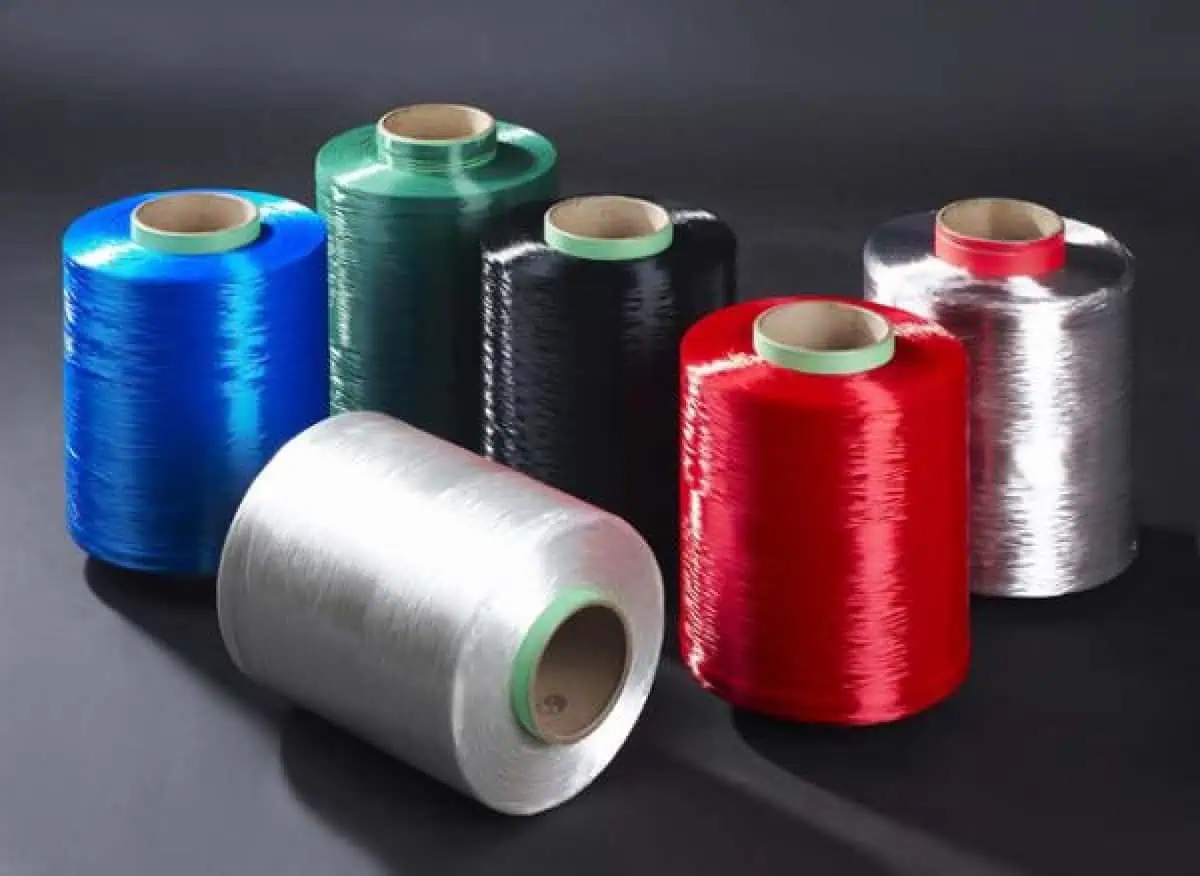
Nylon 6 vs Nylon 6,6 are the two primary polyamide yarn types used in webbing, cord, and textile manufacturing. While both deliver high strength and durability, they differ significantly in melting point, water absorption, dyeability, and chemical resistance. Understanding these differences helps engineers and buyers select the right yarn for their specific application.
Nylon 6 Yarn
- Lower melting point
- Higher water absorption rate
- Poor chemicals resistance to acids
- Withstands high impact and stress
- Easier to dye consistently
Nylon 6,6 Yarn
- Higher melting point
- Lower water absorption rate
- Better chemical resistance to acids
- High degree of stiffness
- More difficult to dye
ACW’s Nylon Yarn Options
Domestic Nylon 6,6: This yarn produces less vibrant colors when acid dyed in our Maegba Dye Range. All Berry Amendment compliant webbing is woven using domestic Nylon 6,6. Black appears duller and less dark when compared to webbing using imported Nylon 6 yarn. Since this is a domestic product, the cost of the yarn is higher than the imported 6,6. This yarn is used primarily in military and tactical webbing applications.
Imported Nylon 6: This yarn offers a clearer and cleaner color in regards to dye depths when acid dyed. Natural imported Nylon 6 yarn is used in most commercial applications. Webbing imported from overseas uses Nylon 6 yarn. This is also more cost effective when Berry compliant yarn is not required.
Solution Dyed Nylon 6 or Nylon 6,6: This yarn offers premium color and depth as solution dyed yarn is extruded from plastic color chips before the item is woven. When using solution dyed yarn, the variables involved with continuous dyeing have been removed, producing a consistent brighter color. This option is generally more expensive.
Nylon 6 vs Nylon 6,6: Which Should You Choose?
The nylon 6 vs nylon 6,6 decision depends on your application requirements, compliance obligations, and color performance needs:
- Military and defense applications requiring Berry Amendment compliance — Domestic Nylon 6,6
- Commercial webbing needing vibrant color and lower cost — Imported Nylon 6
- High-heat environments where a higher melting point is critical — Nylon 6,6
- Shock-load and high-impact applications — Nylon 6
- Premium color consistency across production runs — Solution Dyed Nylon 6 or 6,6
ACW weaves webbing using all three nylon yarn types from our Rhode Island facility. Our engineering team can help you select the right specification for your performance, compliance, and cost requirements. Explore our webbing and cord products or contact us to discuss your application.